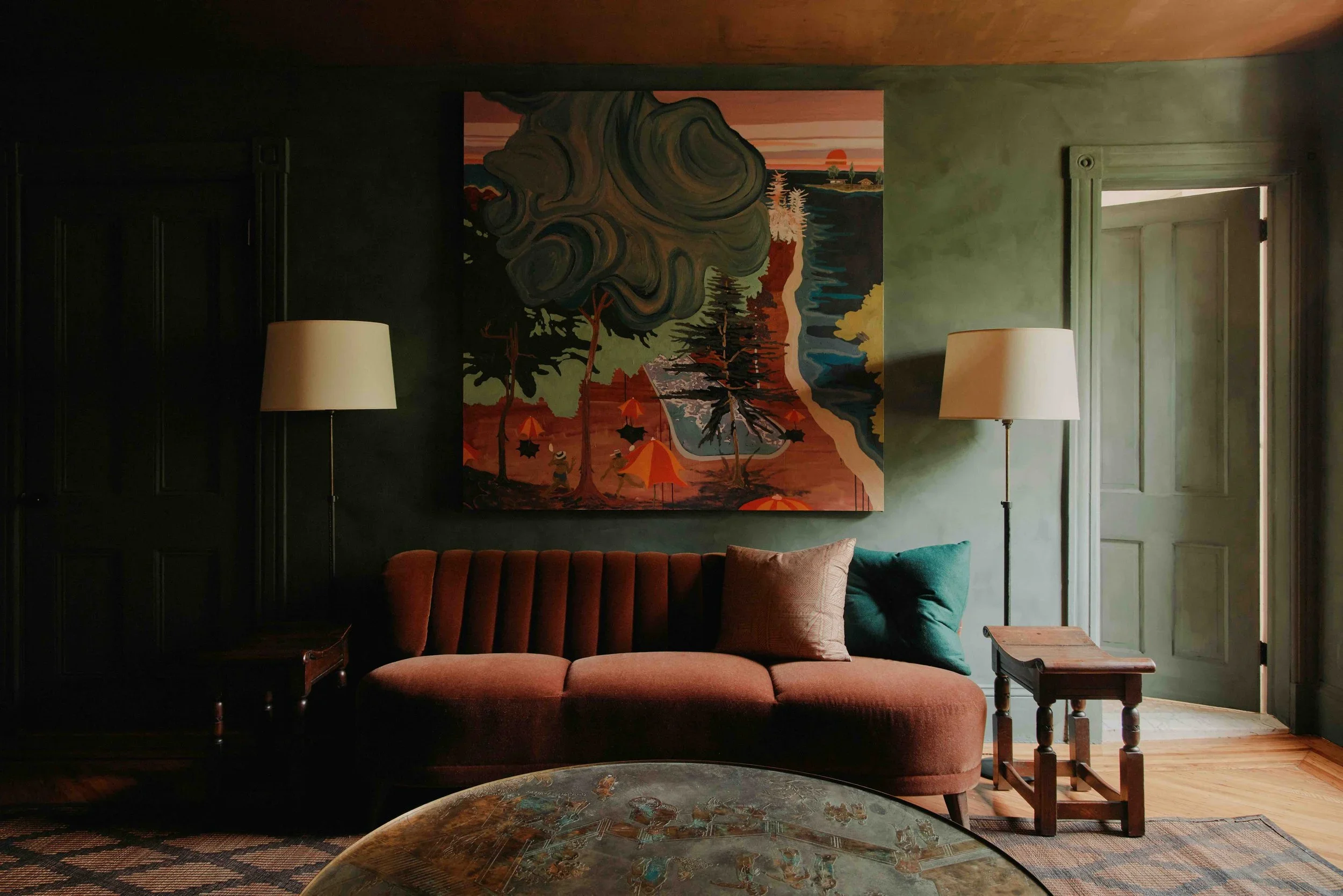
There is a particular pleasure in the first signs of fall at home. Evenings arrive a little earlier, the air begins to cool, and suddenly spending an afternoon indoors feels less like a compromise and more like a plan. A favorite chair becomes a destination. Dinner tastes better by candlelight. Even the familiar rooms of a house seem to invite a second look.
Naturally, our homes tend to follow suit. Summer's lighter linens give way to something softer, fresh flowers make room for branches and seasonal arrangements, and the first pumpkins find their way onto kitchen counters and front porches. Before long, however, the line between decorating for autumn and decorating for Halloween can become a little blurred.
The good news is that the two needn't be mutually exclusive, and a home doesn't have to undergo an entire transformation every few weeks. The most successful fall home decor feels collected rather than themed, with thoughtful changes that carry a room comfortably from September through Thanksgiving and beyond.
The secret is to focus less on the holiday itself and more on the season's feeling. With a considered palette, a few tactile materials, natural elements, and the unmistakable comforts of home, fall decorating can be as enduring as it is beautiful.
Let the Color Tell the Story
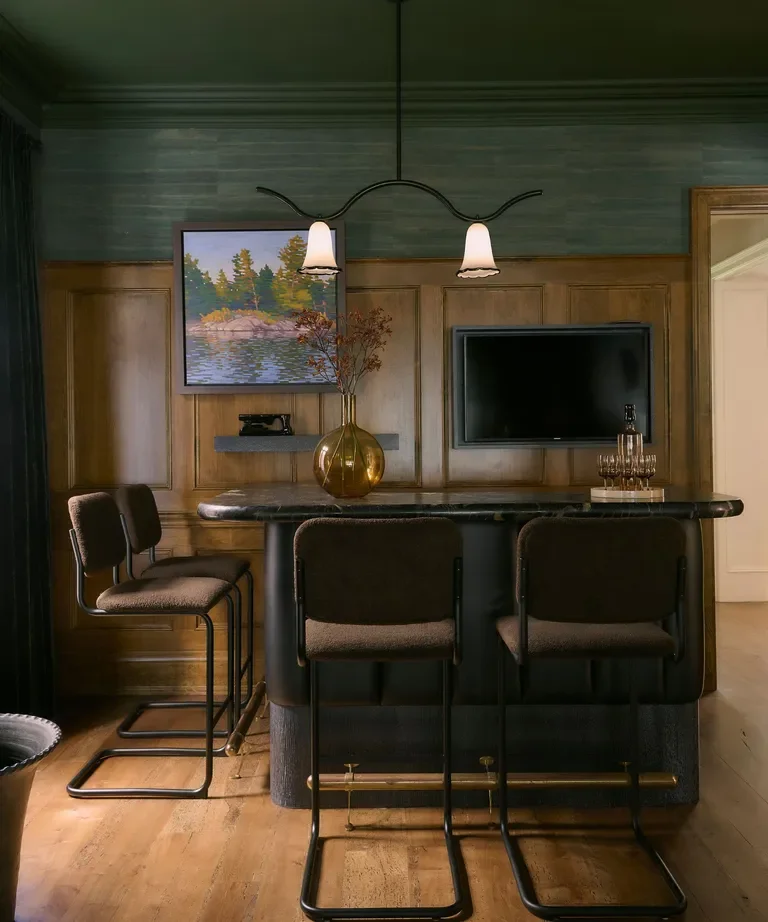
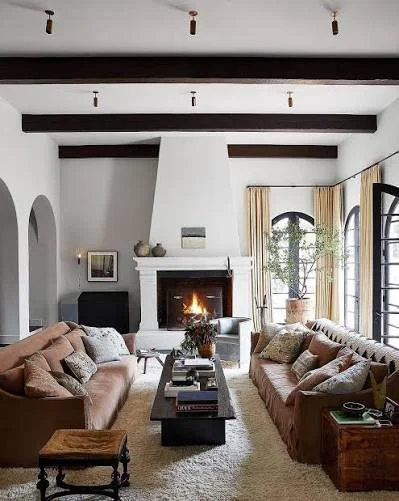
Homes & Garden (left) Instagram @archdigest (right)
When we think of autumn, we instinctively reach for the familiar: pumpkin orange, rusty red, golden yellow, and every shade of brown in between. These colors certainly have their place, but they are far from the only way to bring fall indoors. In fact, some of the most compelling fall interior design begins with a palette that has very little to do with the changing leaves.
Consider deep aubergine, burgundy, olive green, tobacco, oxblood, or a saturated navy. Charcoal and chocolate brown can offer a quieter kind of drama, while muted plum and moss bring depth without overwhelming a room. These hues evoke the season's richness without announcing themselves as seasonal decorations.
The beauty of working with deeper colors is that they can complement an existing interior rather than compete with it. In a neutral living room, a pair of wine-colored pillows or an olive throw might be all it takes to shift the atmosphere. In a room already filled with pattern, a dark floral arrangement or a few sculptural accessories can introduce that same sense of autumnal richness.
You don't need to replace an entire color scheme either. Start with what is already there. Warm whites, natural woods, stone, and soft grays provide an excellent foundation for seasonal accents. The goal is to create a little more depth, not necessarily a different room.
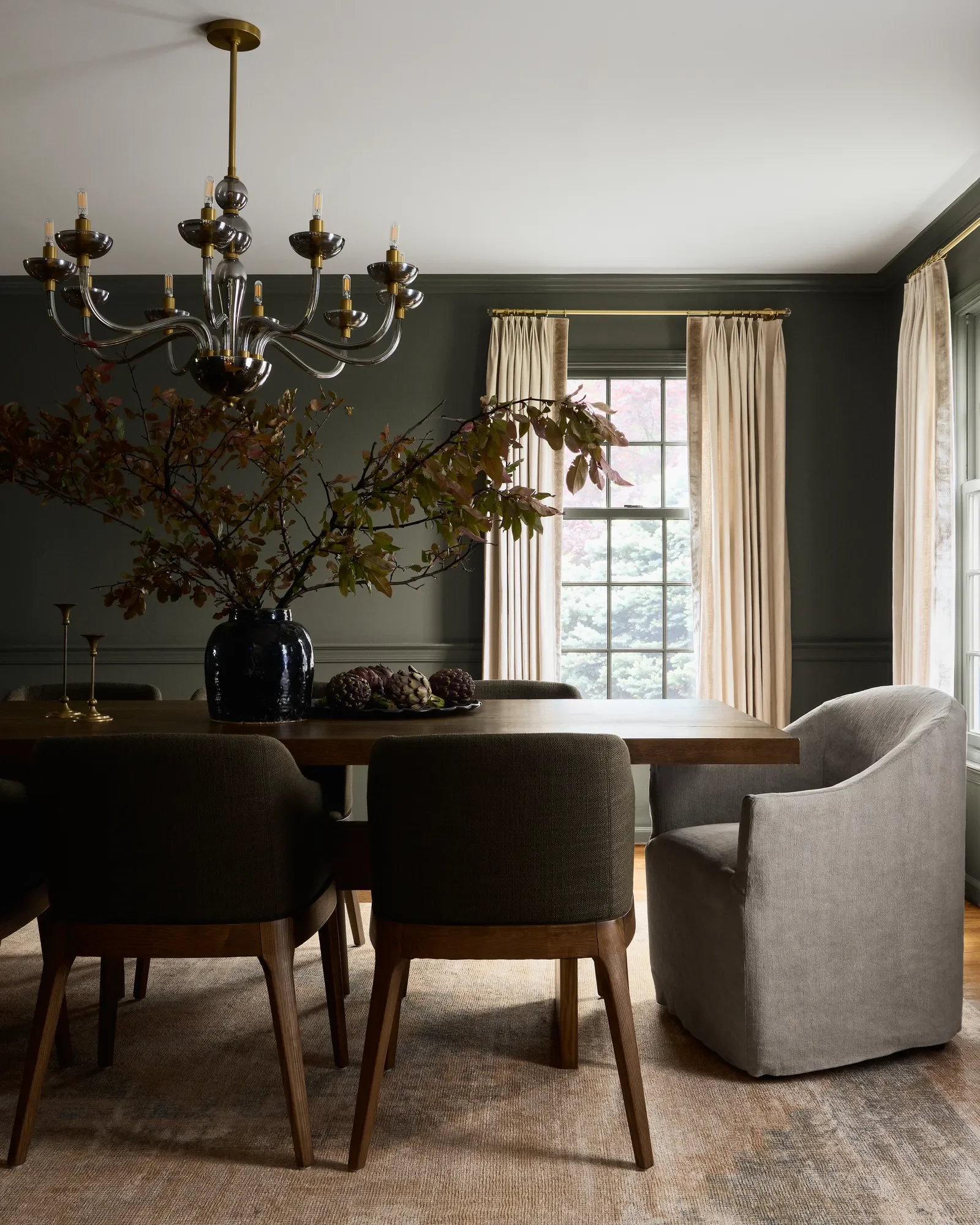
If traditional autumn colors are your preference, use them. The trick is to treat them as part of a larger palette rather than the entire story. A terracotta pumpkin looks especially lovely against a dark green wall; a rust-colored cushion feels more considered beside cream linen and weathered wood. Contrast, after all, is what gives a room its character.
Keep the Pumpkins, Lose the Pressure

Pumpkins are one of the simplest ways to bring fall into a home, and they don't need to disappear once Halloween has passed. With the right selection, they can stay in an arrangement well into November without making the house feel like it's waiting for trick-or-treaters.
Variety is key. Instead of arranging a collection of identical orange pumpkins, look for differences in color, shape, size, and texture. Cream, sage, dusty blue, deep green, and muted terracotta offer a more nuanced approach to traditional orange. Heirloom varieties, with their irregular silhouettes and beautifully imperfect surfaces, are especially appealing.
Think about the surrounding materials, too. A small collection of pumpkins on a wooden dining table feels different from the same arrangement on a polished stone countertop or tucked into a woven basket beside the fireplace. Their surroundings can make them feel rustic, refined, or somewhere in between.
For a dining table or kitchen island, try grouping three or five pumpkins of varying heights and sizes. Add a few branches, a bowl of pears, or a low arrangement of seasonal greenery, and leave enough open space for the arrangement to breathe. On a mantel, a handful of smaller pumpkins can sit alongside framed artwork, candlesticks, or objects already in the room.
The same principle applies to Halloween decorations. If you have invested in beautifully shaped pumpkins, dried branches, dark florals, or interesting vessels, there is no reason to pack them away simply because October has ended. Remove the cobwebs, skeletons, novelty signage, and anything that feels explicitly tied to the holiday. What remains can often serve as the foundation for a more enduring autumn display.
A word on longevity: real pumpkins are living things, and their lifespan depends on temperature, moisture, and handling. Keep them in a cool, dry spot and inspect them regularly, especially if you display them indoors for several weeks. For arrangements meant to last the entire season, mix fresh produce with well-made faux pumpkins you can bring out year after year.
Make Room for Texture
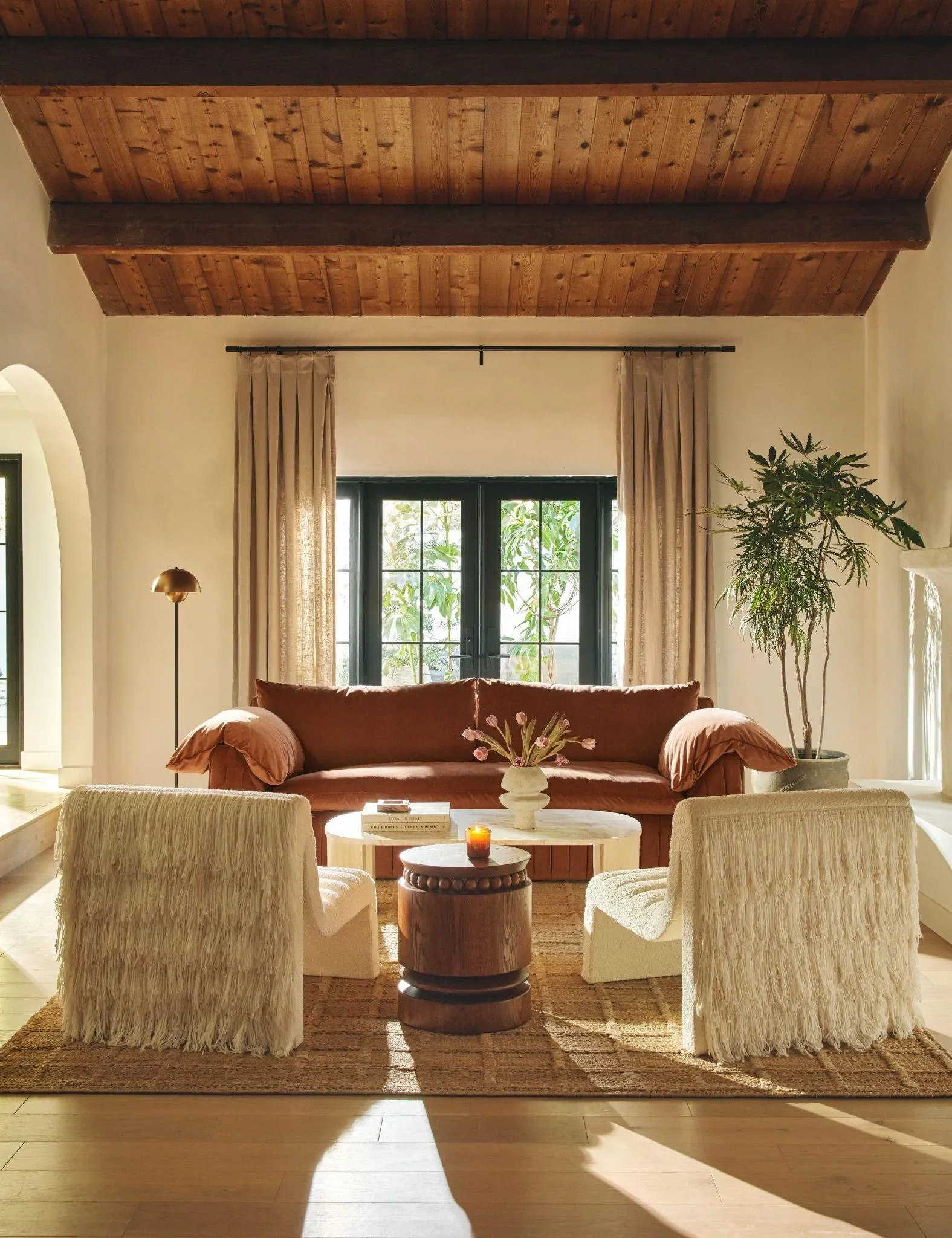
If color sets the mood, texture is what makes a room feel ready for fall.
As the weather cools, the materials we gravitate toward tend to change. We want to reach for something soft, settle into something substantial, and surround ourselves with objects that feel as good as they look. This is where thoughtful seasonal decorating can make a real difference without requiring a major investment.
Velvet is an obvious candidate, and for good reason. Its subtle sheen and rich surface add dimension to a room, especially in deep shades of green, plum, rust, or navy. A velvet pillow or upholstered accent chair can add seasonal drama without making the room feel overly formal.
But velvet is only one option. Chunky knits, brushed cotton, wool, boucle, and softly worn linen each offer their own take on autumn comfort. A loosely woven throw draped over a sofa arm, a textured cushion layered against a smoother one, or a wool rug beneath a coffee table can change a room's feel almost immediately.
The most inviting spaces tend to balance these materials rather than rely on just one. Pair something soft with something structured, something matte with something that catches the light. For instance, a nubby cushion against a smooth leather chair creates a pleasing contrast. A heavy knit throw looks especially good beside a delicate side table or a polished brass lamp.
Natural materials help, too. Wood, woven baskets, stone, and handmade ceramics bring an element of imperfection that keeps a room from feeling too polished. They also transition easily from one season to the next, making them worthwhile additions to a home's everyday design.
Above all, think about how these materials will be used. A beautiful throw is even better when it is within reach. A soft rug should feel good beneath bare feet. Seasonal accessories work best when they contribute to the experience of living in a space, not just its appearance.
Follow Your Nose

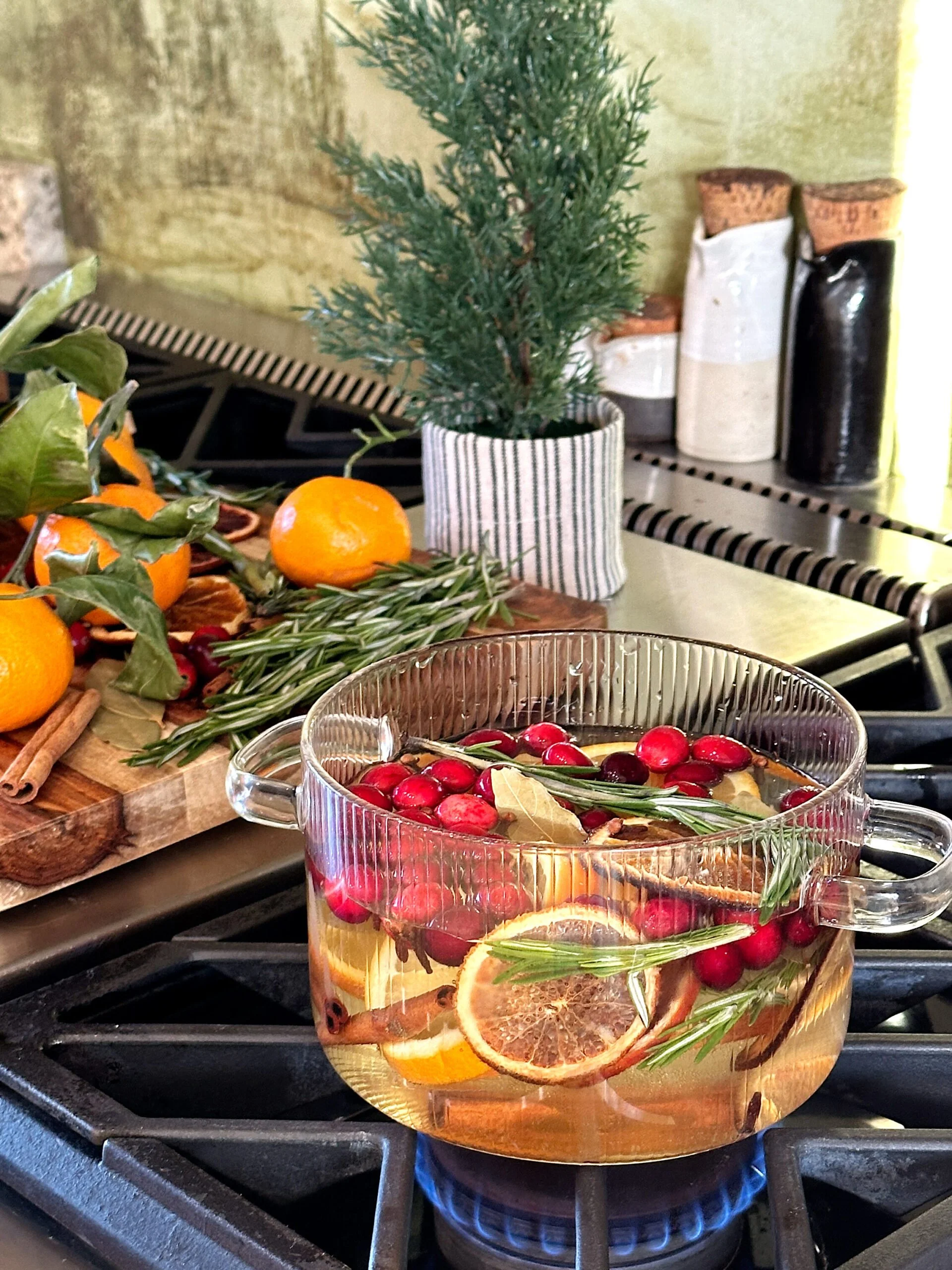
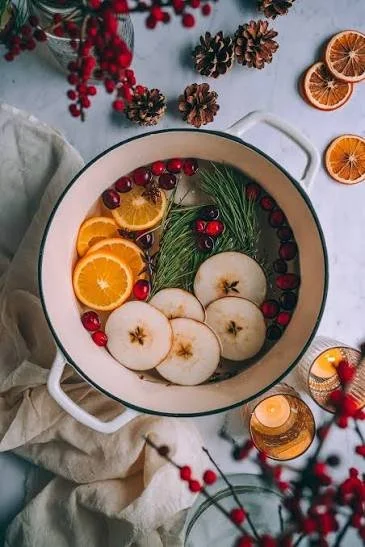
People often treat decorating as a visual exercise, but scent can be just as important in shaping a room's atmosphere. Few things make a home feel more welcoming than walking through the door to the smell of something warm and familiar.
Autumn offers plenty of inspiration. Cinnamon, clove, orange peel, rosemary, apple, and cedarwood can all lend a space a seasonal character without resorting to the overly sweet fragrances that sometimes dominate the holiday aisle.
One of the easiest ways to experiment is with a simmer pot. Add sliced oranges or apples, a cinnamon stick or two, a few whole cloves, and a sprig of rosemary to a saucepan of water. Bring it to a gentle simmer, then let the fragrance fill the house as you go about your afternoon. You can experiment with different combinations, adding fresh ginger, star anise, or other aromatic ingredients to suit your preference.
A simmer pot is especially lovely when entertaining, but it can also become part of an ordinary weekend ritual. Just remember to keep an eye on the water level, never leave a simmering pot unattended, and turn off the heat when you leave the room or finish using it.
Candles and diffusers offer another way to bring fragrance into a space. Look for notes that complement the season without overpowering the room: cedar, sandalwood, fig, amber, bergamot, and subtle spice are all worth considering. A bedside candle or an entryway diffuser can make an unassuming but memorable impression.
The aim is not to make every room smell like a pumpkin spice latte. A more restrained approach often feels more personal and sophisticated. Choose a fragrance you genuinely enjoy and let it become part of the atmosphere rather than the main event.
Let the Lighting Do Some of the Work
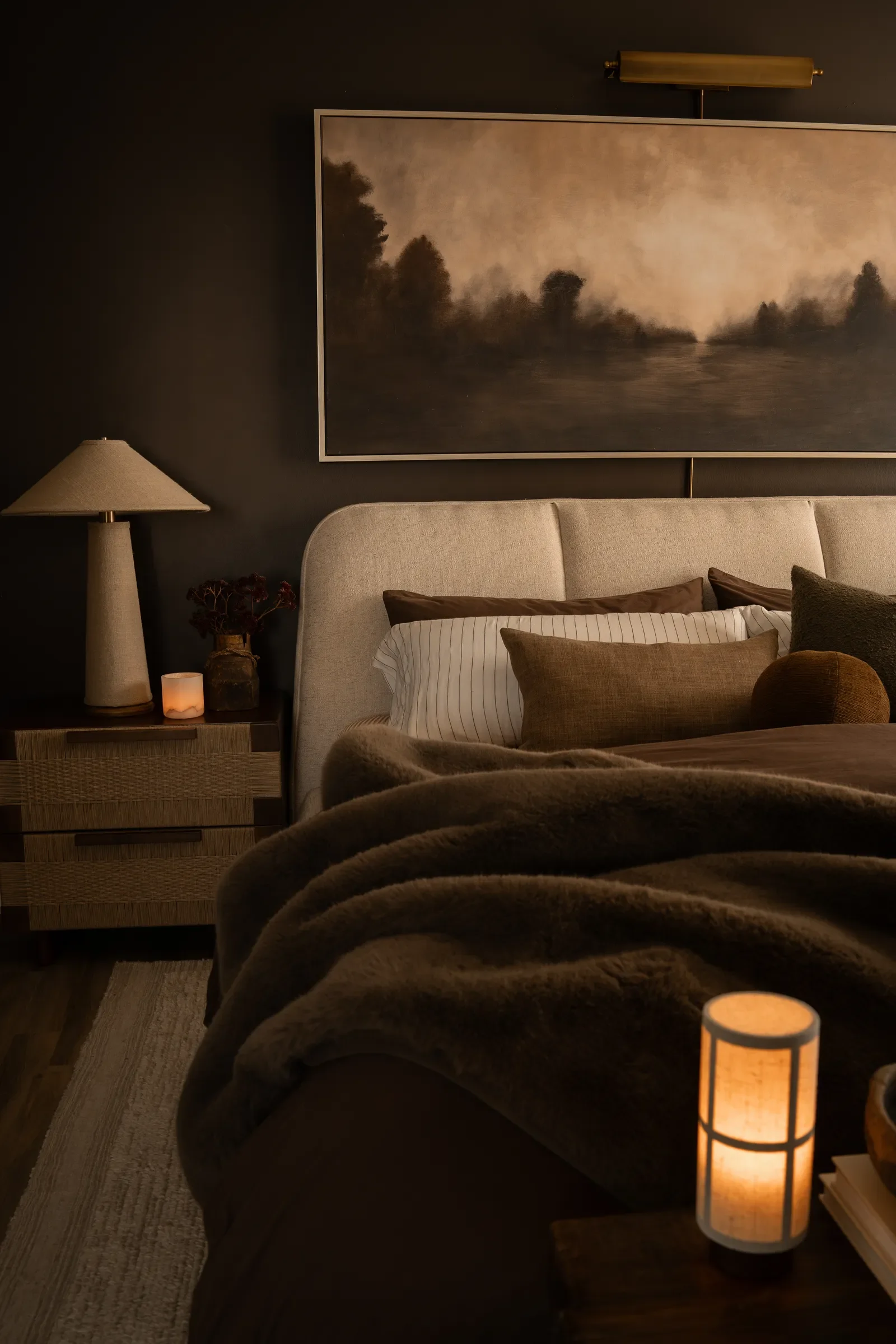
As daylight hours shorten, lighting becomes increasingly important to how a home feels. The bright, even illumination that works well on summer afternoons may feel less inviting on a dark October evening. Fall is an opportunity to introduce a little more warmth and variation.
Start by looking at the lighting you already have. Table lamps, floor lamps, and wall sconces can create pockets of light that make a room feel intimate without sacrificing functionality. Warm-toned bulbs can soften the atmosphere, while dimmers allow the lighting to change with the time of day.
Candles are another natural addition. Group a few on a dining table, arrange them on a mantel, or place one on a side table beside a favorite chair. Varying the heights and shapes of candleholders adds interest, while keeping the palette consistent helps the arrangement feel intentional.
You don't need to reserve candlelight for dinner parties. An illuminated corner of a living room can make an ordinary evening feel special, especially when paired with a good book, a comfortable seat, and a blanket within reach.
For safety, keep candles away from curtains, dried foliage, and other flammable materials, and never leave an open flame unattended. Flameless candles can offer a similar glow in spaces where a real flame is impractical. Certain candle warmers can also provide vibrancy to a space.
Good lighting, like good seasonal decor, should serve the room first. It should help you see, move, read, cook, and gather comfortably. The atmosphere is simply a welcome addition.
Bring the Outdoors In, Thoughtfully
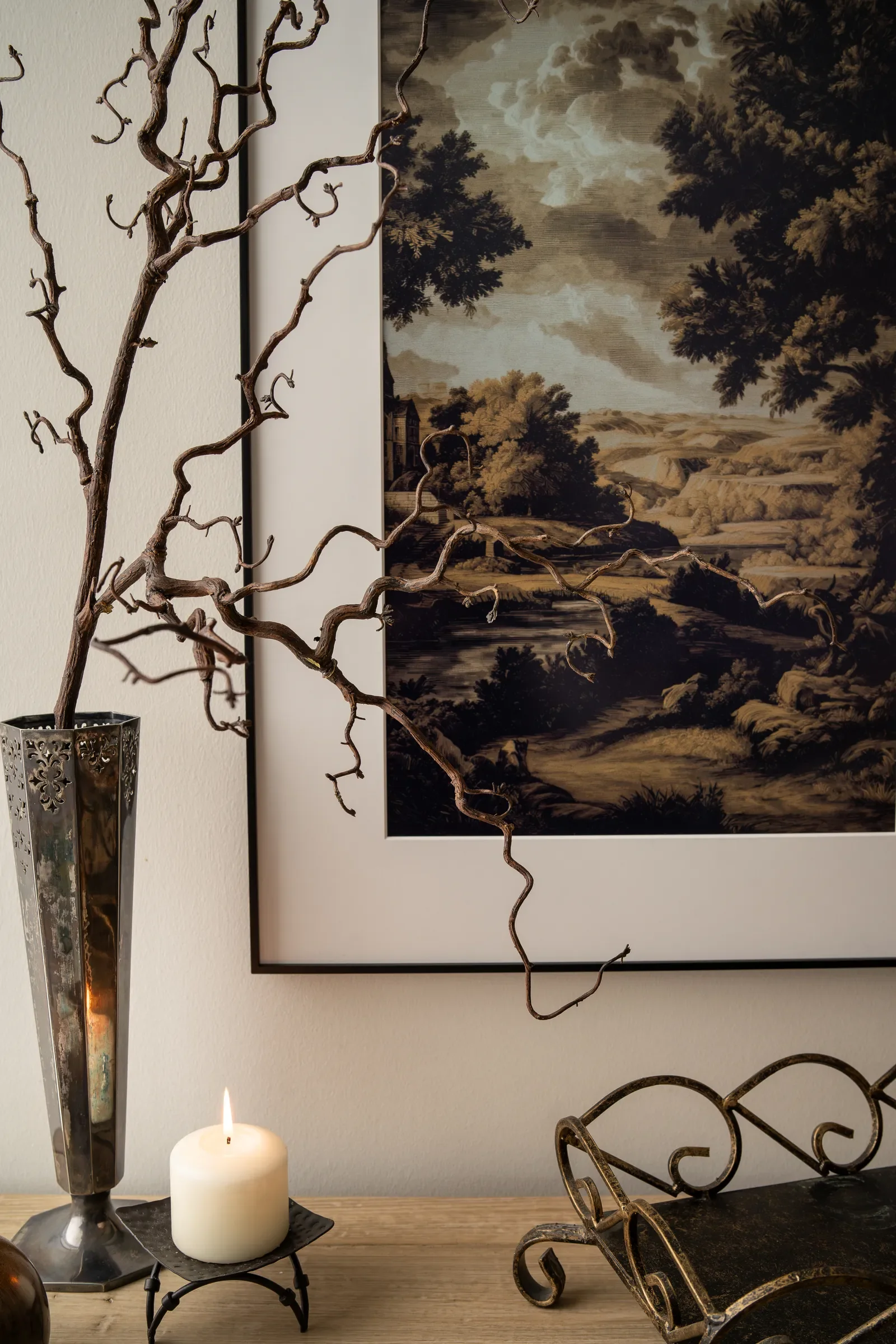
Autumn has a way of making natural materials feel particularly at home indoors. Branches, seasonal foliage, dried flowers, and the last blooms of the garden can introduce color and movement without requiring a traditional floral arrangement.
A few sculptural branches in a tall ceramic vase can make a striking statement on an entryway console. A low arrangement of foliage and fruit can anchor a dining table without obstructing conversation. Even a handful of leaves gathered on a walk can look lovely when arranged with a little care.
The key is to let natural materials retain their character. Perfectly symmetrical arrangements can feel stiff, while a looser composition allows each branch, stem, and leaf to stand on its own. Vary the heights, leave a little negative space, and choose a vessel that complements the room rather than competing with the arrangement.
You can also look beyond foliage. Pears, apples, artichokes, and other seasonal produce make beautiful additions to kitchen counters and dining tables. Their shapes and colors add an organic quality to a room, and they're as useful as they are decorative.
For a longer-lasting display, combine fresh elements with dried grasses, preserved branches, or reusable faux stems. This approach makes it easier to refresh the arrangement as the season progresses without starting from scratch every few weeks.
Give Your Existing Decor a Second Life
Perhaps the most useful fall decorating idea is also the simplest: before buying anything new, take a look at what you already own.
A vase tucked away in a cabinet might become the perfect vessel for autumn branches. A dark throw from another room could add just the right amount of depth to a neutral sofa. A collection of books, a wooden bowl, or a favorite piece of artwork might take on a different character when you rearrange it with a few seasonal accents.
This is especially helpful when transitioning from Halloween to fall. Instead of dismantling every display, decide what can stay and what needs to go. Keep the natural materials, neutral pumpkins, candleholders, textured fabrics, and darker accessories. Put away the overtly spooky details and replace them with elements that feel appropriate for the weeks ahead.
Then edit. A room rarely needs as many seasonal decorations as we think. Removing a few objects can give the remaining pieces more presence, allowing them to feel considered rather than crowded.
This is also a good time to reconsider the way a room is arranged. Pull a chair closer to the fireplace, move a lamp beside a reading nook, or bring a small table within reach of the sofa. These changes cost very little, but they can make a home feel newly suited to the season.
The result should not look as though every surface has been decorated for an occasion. It should look as though the room has naturally settled into a different rhythm.
Comfort Is the Point
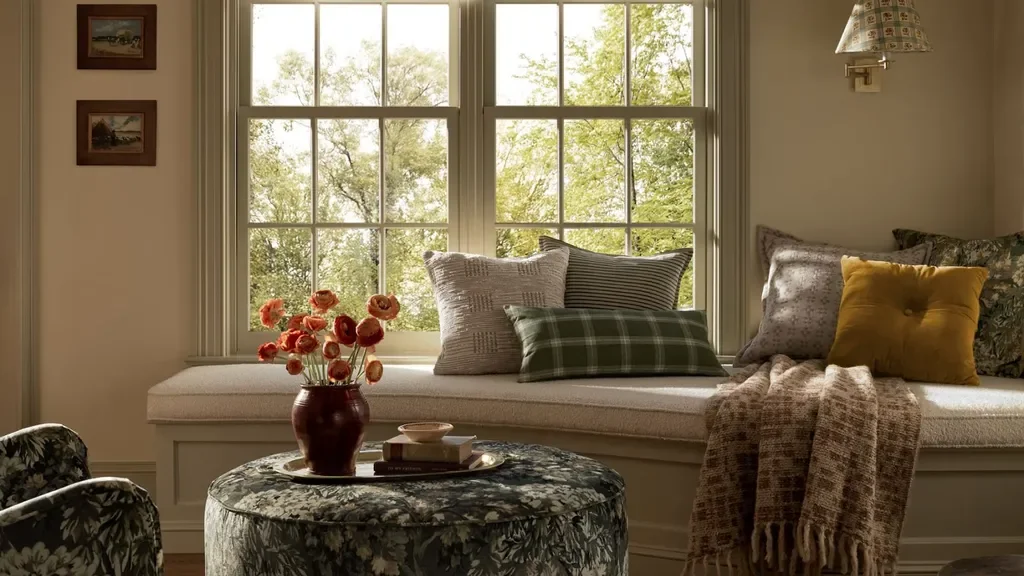
There is a temptation, particularly when looking at beautifully photographed interiors, to treat seasonal decorating as an exercise in getting everything just right. Every pillow must be perfectly placed; every surface must be arranged; every room must reflect the season.
But a home is not a still life. It is where we spend our mornings, gather with friends, recover from long days, and make ordinary memories. The most successful interiors leave room for all of that.
So, as you prepare your home for fall, let comfort guide the decisions. Choose the throw you will actually use. Arrange the living room around the way your family gathers. Make space at the dining table for an unplanned dinner, and keep the kitchen counter clear enough to cook something worth sharing.
If a deep burgundy pillow brings you joy, use it. If you prefer a quieter palette of cream, wood, and green, there is no reason to introduce orange simply because the calendar says autumn. And if your favorite Halloween decorations happen to be beautiful enough to stay up through November, there’s no rule that requires you to put them away.
Fall decorating is less about marking a date than making a home feel right for the days ahead. A little more texture, a little less light, a favorite seasonal fragrance, and a few thoughtful changes can be enough.
After all, the best seasonal interiors don't feel like they have been decorated for fall. They feel as though fall has found its way inside.